The Long Middle: Burnout, Funding Stress & System Friction

Starting The Learning Outpost required courage. Finding a building required something else: learning to distinguish between an obstacle I could work around and a condition that could make the model unsustainable.
I was creating a microschool for a small group of children. Yet many of the rules governing where and how I could operate were written with traditional schools in mind. Potential facilities needed toilets at the required height, enough bathrooms, a separate bathroom for adults, and other safety features.
Some small-school founders I interviewed encountered requirements for full sprinkler systems, even when they planned to serve only nine or ten students.
The requirements served legitimate safety purposes. The difficulty was that a model built for a small number of children still had to function within rules designed for much larger institutions.
That changed the problem I needed to solve. I was no longer simply searching for an affordable room where children could learn. I needed a facility already capable of meeting requirements that could be expensive or impractical to add later.
Understand the Constraint Before Searching Harder
Churches seemed like a possibility. Their buildings often sat unused during the week, and many already had spaces designed for children. I began approaching them directly.
I knocked on about 15 doors before I found the right one. The building I eventually found had once housed a preschool. It was separate from the church and already had a sprinkler system and much of the infrastructure I needed. Finding it involved persistence, but persistence alone was not the lesson.
Continuing to search within the wrong category of buildings would not have produced the same result. I had to understand the constraint well enough to change where I was looking.
Diagnose the Pressure Before Applying More Effort
This is one of the defining challenges of the long middle: the period after the decision to begin, when operating the organization becomes more difficult than imagining it.
The temptation is to think of the long middle as something to survive until things get easier. I've come to think about it differently. The long middle is the ordinary work of building—showing up everyday, solving problems as they come, and continuing to serve your community even when progress feels slower than you hoped.
Founders in this stage are often told to keep going. Sometimes that is sound advice. Sometimes pushing harder conceals the fact that the current method is too expensive, too dependent on the founder, or poorly matched to the conditions surrounding it. Repetition is information. If the same problem keeps returning, ask what kind of problem it is before applying more effort.
A model problem means the basic approachcannot reliably produce the intended result. A capacity problem means the modelmay work, but the organization lacks enough money, people, time, orinfrastructure to deliver it responsibly. A structural problem comes fromoutside the organization, such as a regulation, facility requirement, orfunding system designed for another kind of institution.
Each requires a different response. Commitment cannot repair an unworkable financial model. Hiring cannot resolve a regulation. More funding may relieve a capacity problem temporarily while postponing a necessary redesign.
Prepare Before the Pressure Arrives
The long middle also asks founders to prepare before the pressure arrives. One of the biggest lessons the long middle taught me was that preparation isn't just about money. It's about creating enough margin to respond well when the unexpected happens.
While operating my microschool, I intentionally pursued grants, built relationships throughout the community, and looked for ways to create flexibility before I needed it. I learned that every founder eventually faces pressure. The question isn't whether it will come—it's whether you've built enough capacity to respond thoughtfully instead of reactively.
Looking back, those quiet seasons of preparation turned out to be just as important as the moments everyone could see.
Kelsey Underwood encountered the other side of that decision at the Georgia Center for Opportunity. Other states began requesting versions of its benefits-cliff model, signaling demand. Yet GCO did not have the funding to accommodate every request. Kelsey explained, “We actively discouraged it sometimes because we didn’t have the funding to add additional states.”
Demand did not eliminate the cost of responsible expansion. The organization had to distinguish between an opportunity and the capacity to deliver it well.
Before the Next Commitment
Before your next consequential commitment, ask what must be true before you sign the lease, make the hire, expand, or accept new demand. Identify whether the risk calls for a reserve, a contingency, a specialist, or a change to the model. Then ask the uncomfortable question: What will we wish we had investigated six months from now?
A difficult season does not automatically mean you are on the wrong path. Sometimes it means you are becoming the kind of leader your work requires. The long middle isn't simply where organizations are tested. It's where founders are shaped. Before you rush to get through it, ask yourself what it's teaching you.
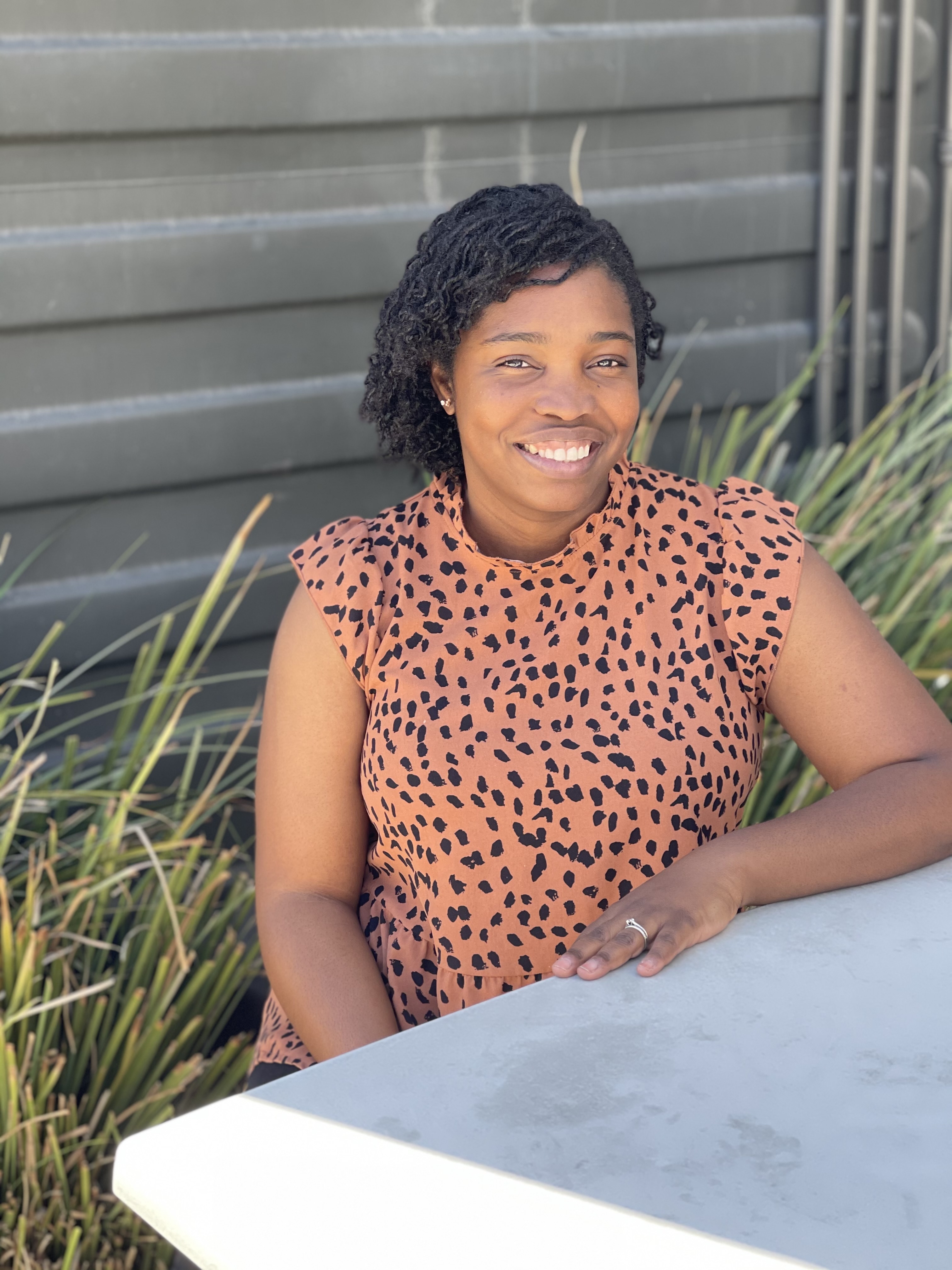
Felicia Wright is the founder of Education & Policy Exchange and host of the Founder 2 Founder podcast, where she documents the stories of education entrepreneurs building community-driven learning models across the country.
Related in Tools for Scaling Solutions
The Long Middle: Burnout, Funding Stress & System Friction
9 min read
Starting The Learning Outpost required courage. Finding a building required something else: learning to distinguish between an obstacle I could work around and a condition that could make the model unsustainable.
I was creating a microschool for a small group of children. Yet many of the rules governing where and how I could operate were written with traditional schools in mind. Potential facilities needed toilets at the required height, enough bathrooms, a separate bathroom for adults, and other safety features.
Some small-school founders I interviewed encountered requirements for full sprinkler systems, even when they planned to serve only nine or ten students.
The requirements served legitimate safety purposes. The difficulty was that a model built for a small number of children still had to function within rules designed for much larger institutions.
That changed the problem I needed to solve. I was no longer simply searching for an affordable room where children could learn. I needed a facility already capable of meeting requirements that could be expensive or impractical to add later.
Understand the Constraint Before Searching Harder
Churches seemed like a possibility. Their buildings often sat unused during the week, and many already had spaces designed for children. I began approaching them directly.
I knocked on about 15 doors before I found the right one. The building I eventually found had once housed a preschool. It was separate from the church and already had a sprinkler system and much of the infrastructure I needed. Finding it involved persistence, but persistence alone was not the lesson.
Continuing to search within the wrong category of buildings would not have produced the same result. I had to understand the constraint well enough to change where I was looking.
Diagnose the Pressure Before Applying More Effort
This is one of the defining challenges of the long middle: the period after the decision to begin, when operating the organization becomes more difficult than imagining it.
The temptation is to think of the long middle as something to survive until things get easier. I've come to think about it differently. The long middle is the ordinary work of building—showing up everyday, solving problems as they come, and continuing to serve your community even when progress feels slower than you hoped.
Founders in this stage are often told to keep going. Sometimes that is sound advice. Sometimes pushing harder conceals the fact that the current method is too expensive, too dependent on the founder, or poorly matched to the conditions surrounding it. Repetition is information. If the same problem keeps returning, ask what kind of problem it is before applying more effort.
A model problem means the basic approachcannot reliably produce the intended result. A capacity problem means the modelmay work, but the organization lacks enough money, people, time, orinfrastructure to deliver it responsibly. A structural problem comes fromoutside the organization, such as a regulation, facility requirement, orfunding system designed for another kind of institution.
Each requires a different response. Commitment cannot repair an unworkable financial model. Hiring cannot resolve a regulation. More funding may relieve a capacity problem temporarily while postponing a necessary redesign.
Prepare Before the Pressure Arrives
The long middle also asks founders to prepare before the pressure arrives. One of the biggest lessons the long middle taught me was that preparation isn't just about money. It's about creating enough margin to respond well when the unexpected happens.
While operating my microschool, I intentionally pursued grants, built relationships throughout the community, and looked for ways to create flexibility before I needed it. I learned that every founder eventually faces pressure. The question isn't whether it will come—it's whether you've built enough capacity to respond thoughtfully instead of reactively.
Looking back, those quiet seasons of preparation turned out to be just as important as the moments everyone could see.
Kelsey Underwood encountered the other side of that decision at the Georgia Center for Opportunity. Other states began requesting versions of its benefits-cliff model, signaling demand. Yet GCO did not have the funding to accommodate every request. Kelsey explained, “We actively discouraged it sometimes because we didn’t have the funding to add additional states.”
Demand did not eliminate the cost of responsible expansion. The organization had to distinguish between an opportunity and the capacity to deliver it well.
Before the Next Commitment
Before your next consequential commitment, ask what must be true before you sign the lease, make the hire, expand, or accept new demand. Identify whether the risk calls for a reserve, a contingency, a specialist, or a change to the model. Then ask the uncomfortable question: What will we wish we had investigated six months from now?
A difficult season does not automatically mean you are on the wrong path. Sometimes it means you are becoming the kind of leader your work requires. The long middle isn't simply where organizations are tested. It's where founders are shaped. Before you rush to get through it, ask yourself what it's teaching you.
Felicia Wright is the founder of Education & Policy Exchange and host of the Founder 2 Founder podcast, where she documents the stories of education entrepreneurs building community-driven learning models across the country.