How To Start Where You Are
In 1998, Eddie Konegay was asked to build a transitional program for men staying at Roseland Christian Ministry Center’s overnight shelter. He could have begun with a program model, a funding proposal, or assumptions about what the men needed.
Instead, he bought pizza.
After the shelter doors closed, about ten men came downstairs to talk. Eddie asked two questions: “What do you want?” and“What would work for you?” The conversations continued for roughly two weeks. Together, they developed Stewardship Ministry, a 90-day transitional program through which participants who graduated could return and teach others.
Eddie’s first step was small, but it was not casual. He created a setting where people could speak from experience, gave the conversation enough time to develop, and allowed what he heard to shape the program.
Begin With Attention, Not Infrastructure
Starting where you are does not mean building immediately. It means paying disciplined attention before deciding what to build.
That distinction matters because proximity can create both insight and overconfidence. You may recognize a burden because you have lived it, watched someone you love carry it, or worked inside a system that keeps producing it. That knowledge is valuable. It is not complete.
Starting where you are means allowing proximity to inform you without assuming it has taught you everything.
From our different vantage points, one as a parent and educator who built in response to what families were carrying, and the other as a strategist working across organizations and sectors, we have seen the same pattern: personal experience often reveals the first question. Disciplined inquiry determines what should happen next.
Adrian Montague’s early work with Flint Soup offers another example. The initiative began with neighbors gathering over a meal, presenting ideas, and deciding together which projects to support through community-funded microgrants. The dinner did not require Adrian to arrive with a complete economic-development plan. It created a practical way to see what people were already building, how neighbors responded, and where modest help an idea move forward.
Begin with the burden. Then resist the urge to translate it immediately into an organization.
Move From Concern to a Responsible Experiment
Eddie describes his approach through three disciplines: knowledge, accountability, and practice.
Together, they offer a useful sequence for moving from concern to a responsible first experiment.
Knowledge asks: What do I need to learn before deciding what this problem requires? Talk with people carrying the burden. Ask what they have already tried, what repeatedly gets in their way, what is working better than outsiders recognize, and what they would change first. Do not confuse gathering agreement with learning.
Accountability asks: To whom am I answerable while learning? Founders can become accountable to a favored idea, a funder’s priorities, or the pressure to appear decisive. Keep accountability close to the people whose lives will be affected. Tell them what you are considering. Return with what you heard. Give them a real opportunity to challenge your interpretation.
Practice asks: What can I try without pretending I already know the answer? A conversation over pizza or a community dinner can be more useful than months spent perfecting an untested plan. The right first experiment is small enough to change, real enough to produce evidence, and clear enough that you know what you are trying to learn.
Choose the Next Useful Action
This sequence also protects against two opposite mistakes. One is building too much before the need is understood. The other is continuing to listen indefinitely because action feels risky. Knowledge without practice produces analysis. Practice without accountability turns other people’s lives into a testing ground for the founder’s assumptions.
Choose the next useful action. Write down what you believe is happening and what remains an assumption. Identify three people who experience the burden differently from you. Ask what they have tried and what you may be missing. Then try one small, clearly defined approach and determine in advance what you hope to learn and what you will do if the response confirms, challenges, or complicates your assumptions.
Starting where you are is not a claim that you are ready to build the final answer. It is a commitment to make the next decision answerable to what you learn.
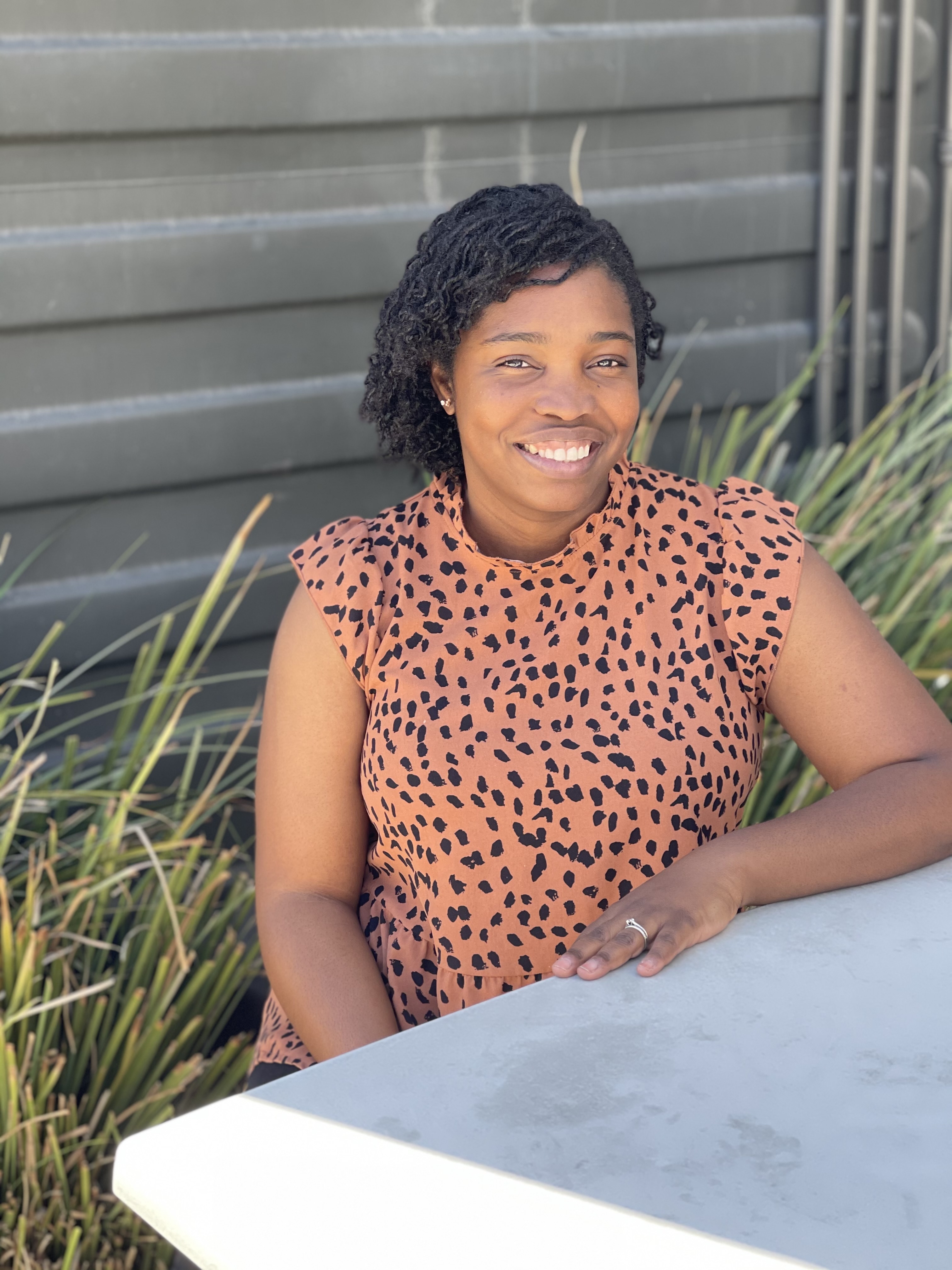
Felicia Wright is the founder of Education & Policy Exchange and host of the Founder 2 Founder podcast, where she documents the stories of education entrepreneurs building community-driven learning models across the country.
Amanda Pascale is a strategic growth partner and founder of LionheartedEnterprises, where she advises founders and CEOs navigating consequential growth. Together, they draw on experience across education, entrepreneurship, public policy, philanthropy, and social impact to examine how local innovators can learn from the people closest to a problem and turn that knowledge into responsible action.
Related in Tools for Scaling Solutions
How To Start Where You Are
9 min read
In 1998, Eddie Konegay was asked to build a transitional program for men staying at Roseland Christian Ministry Center’s overnight shelter. He could have begun with a program model, a funding proposal, or assumptions about what the men needed.
Instead, he bought pizza.
After the shelter doors closed, about ten men came downstairs to talk. Eddie asked two questions: “What do you want?” and“What would work for you?” The conversations continued for roughly two weeks. Together, they developed Stewardship Ministry, a 90-day transitional program through which participants who graduated could return and teach others.
Eddie’s first step was small, but it was not casual. He created a setting where people could speak from experience, gave the conversation enough time to develop, and allowed what he heard to shape the program.
Begin With Attention, Not Infrastructure
Starting where you are does not mean building immediately. It means paying disciplined attention before deciding what to build.
That distinction matters because proximity can create both insight and overconfidence. You may recognize a burden because you have lived it, watched someone you love carry it, or worked inside a system that keeps producing it. That knowledge is valuable. It is not complete.
Starting where you are means allowing proximity to inform you without assuming it has taught you everything.
From our different vantage points, one as a parent and educator who built in response to what families were carrying, and the other as a strategist working across organizations and sectors, we have seen the same pattern: personal experience often reveals the first question. Disciplined inquiry determines what should happen next.
Adrian Montague’s early work with Flint Soup offers another example. The initiative began with neighbors gathering over a meal, presenting ideas, and deciding together which projects to support through community-funded microgrants. The dinner did not require Adrian to arrive with a complete economic-development plan. It created a practical way to see what people were already building, how neighbors responded, and where modest help an idea move forward.
Begin with the burden. Then resist the urge to translate it immediately into an organization.
Move From Concern to a Responsible Experiment
Eddie describes his approach through three disciplines: knowledge, accountability, and practice.
Together, they offer a useful sequence for moving from concern to a responsible first experiment.
Knowledge asks: What do I need to learn before deciding what this problem requires? Talk with people carrying the burden. Ask what they have already tried, what repeatedly gets in their way, what is working better than outsiders recognize, and what they would change first. Do not confuse gathering agreement with learning.
Accountability asks: To whom am I answerable while learning? Founders can become accountable to a favored idea, a funder’s priorities, or the pressure to appear decisive. Keep accountability close to the people whose lives will be affected. Tell them what you are considering. Return with what you heard. Give them a real opportunity to challenge your interpretation.
Practice asks: What can I try without pretending I already know the answer? A conversation over pizza or a community dinner can be more useful than months spent perfecting an untested plan. The right first experiment is small enough to change, real enough to produce evidence, and clear enough that you know what you are trying to learn.
Choose the Next Useful Action
This sequence also protects against two opposite mistakes. One is building too much before the need is understood. The other is continuing to listen indefinitely because action feels risky. Knowledge without practice produces analysis. Practice without accountability turns other people’s lives into a testing ground for the founder’s assumptions.
Choose the next useful action. Write down what you believe is happening and what remains an assumption. Identify three people who experience the burden differently from you. Ask what they have tried and what you may be missing. Then try one small, clearly defined approach and determine in advance what you hope to learn and what you will do if the response confirms, challenges, or complicates your assumptions.
Starting where you are is not a claim that you are ready to build the final answer. It is a commitment to make the next decision answerable to what you learn.
Felicia Wright is the founder of Education & Policy Exchange and host of the Founder 2 Founder podcast, where she documents the stories of education entrepreneurs building community-driven learning models across the country.
Amanda Pascale is a strategic growth partner and founder of LionheartedEnterprises, where she advises founders and CEOs navigating consequential growth. Together, they draw on experience across education, entrepreneurship, public policy, philanthropy, and social impact to examine how local innovators can learn from the people closest to a problem and turn that knowledge into responsible action.