The Invisible Work of Parents Trying to Save Their Kids

I did not begin with a plan to open a school. I began with a child who was afraid to return to hers.
I had been an educator in my local public school district, so I already knew the classroom from one side. Becoming a parent changed what I could see. When the existing environment stopped working for my daughter, I pulled her out, researched alternatives, and began educating her at home.
That decision solved one immediate problem but created another: she needed other children with whom she could learn. I began tutoring at the library and hosting small project-based classes. I really just wanted peers for my baby and an opportunity to serve my community.
When One Family’s Problem Reveals a Pattern
That modest experiment revealed something important. Other parents were looking, too. Looking back, I realized I wasn't just noticing a problem; I was following the invisible work parents were already doing to create something better for their children.
Private schools were too expensive for many families. Some had waitlists or too few available seats. Parents described children who had been bullied, had lost their enthusiasm for learning, or no longer felt known in their schools. What I had experienced as my family’s problem was part of a larger pattern. We often talk about education at a national scale, but communities don't experience education that way.
They experience it one child, one classroom, and one family at a time. That's where meaningful community innovation begins, but it is also where founders can move too quickly. Recognizing yourself in someone else’s frustration does not automatically mean you understand the problem or know what should be built.
Look for Evidence of a Shared Burden
A problem worth solving usually leaves evidence. People make repeated sacrifices to work around it. They spend time, money, or energy compensating for something that is missing. They assemble informal alternatives. They ask one another for information because no trusted pathway exists.
The innovator’s first responsibility is to notice that work without immediately interpreting it as demand for a particular solution. Following the invisible work means resisting the temptation to fall in love with your first idea before you've fully understood the burden people are carrying.
When I spoke with families attending the library programs, I did not simply ask whether they would enroll in a microschool. I asked why the options closest to them were no longer working. Their answers helped me understand what children and parents needed to experience differently. They wanted more than another educational program. They wanted communication, responsiveness, and a place where both they and their children felt heard. What I realized was that many families weren't just looking for another educational option. They were deciding whether they could trust again.
Even then, listening could not be a single event.
Let Listening Change the Solution
At one point, I offered a part-time program built around half days. It seemed like a reasonable option. Families told me it was not what they needed. They wanted part-time enrollment structured as fewer days each week, with a full day of learning on the days their children attended.
I created that solution, and it did not work. I was able to pivot, create a different solution, and find an approach that did.
The unsuccessful offer did not prove theunderlying need was absent. It reminded me that listening isn't something youdo before you build. It's something you continue doing as you build.
Kelsey Underwood encountered a similar correction while researching benefits cliffs at the Georgia Center for Opportunity. She spent months visiting homeless shelters and rehabilitation centers to ask people about the barriers they faced. Benefits cliffs were real, they told her, but some described another concern her original hypothesis had not captured: advancing economically could threaten their sense of belonging if people close to them interpreted success as rejection.
Her research had identified part of the problem. Direct conversation exposed another condition shaping people’s decisions.
For an innovator, this is the standard that makes listening useful: Are you gathering support for the idea you already have, or are you allowing what you hear to change it?
Test What You Think You Know
If you are deciding whether a burden in your community is worth building around, look for four kinds of evidence.
What are people repeatedly doing for themselves because no reliable solution exists?
What have they already tried, and where has it broken down?
What is the burden costing them in time, money, opportunity, or trust?
What small offer would allow them to respond with their behavior, not only their encouragement?
Then notice who participates, who returns, what people use differently than you expected, and what they decline. Those choices are information.
Tomorrow, write down the burden as you currently understand it. Beside it, list what you have directly observed, what people have told you, and what you are still assuming.
Your next step is not to prove that your first idea is right. It is to learn whether the burden is shared and what a useful response must account for.
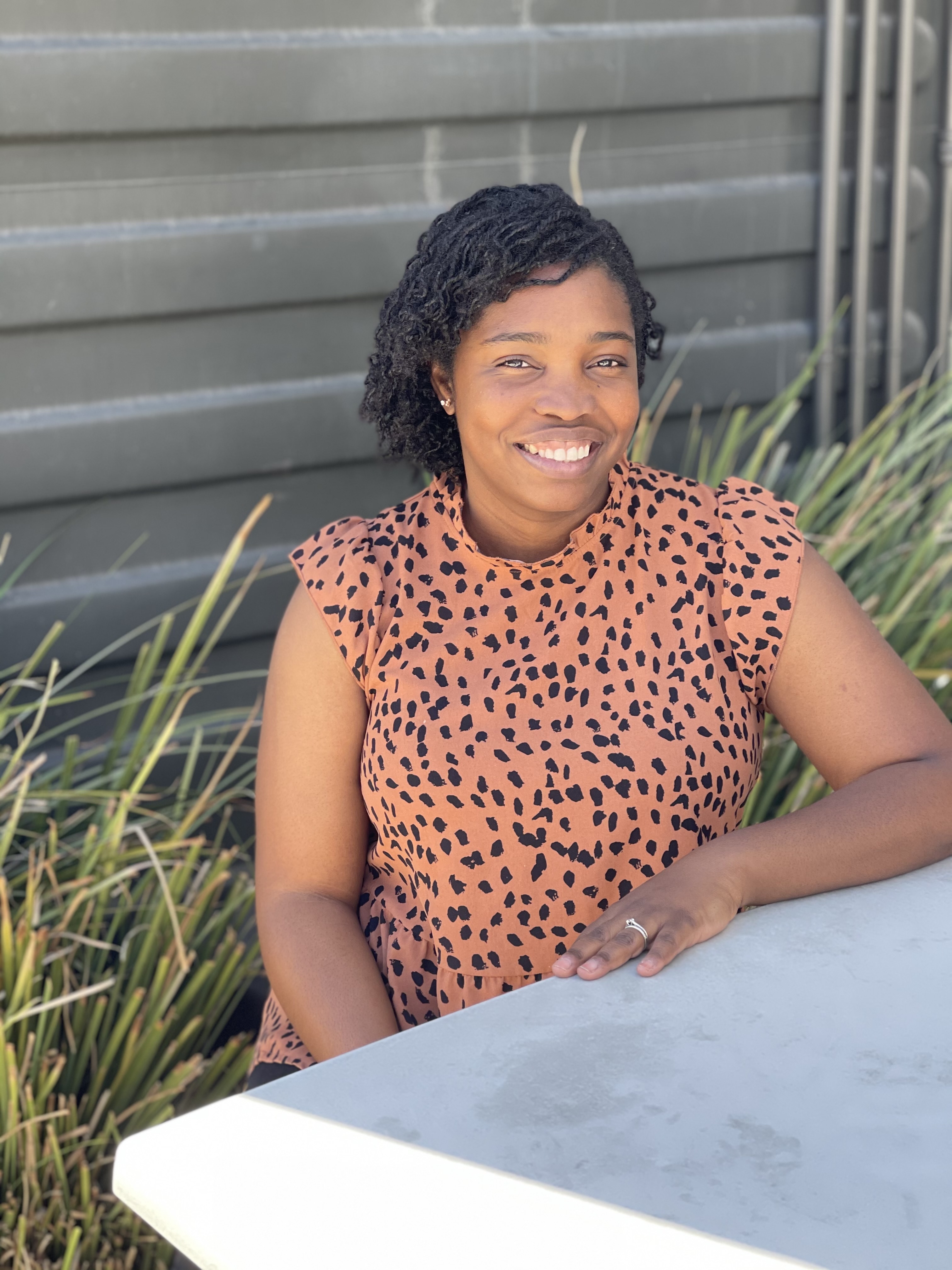
Felicia Wright is the founder of Education & Policy Exchange and host of the Founder 2 Founder podcast, where she documents the stories of education entrepreneurs building community-driven learning models across the country.
Related in Tools for Scaling Solutions
The Invisible Work of Parents Trying to Save Their Kids
6 min read
I did not begin with a plan to open a school. I began with a child who was afraid to return to hers.
I had been an educator in my local public school district, so I already knew the classroom from one side. Becoming a parent changed what I could see. When the existing environment stopped working for my daughter, I pulled her out, researched alternatives, and began educating her at home.
That decision solved one immediate problem but created another: she needed other children with whom she could learn. I began tutoring at the library and hosting small project-based classes. I really just wanted peers for my baby and an opportunity to serve my community.
When One Family’s Problem Reveals a Pattern
That modest experiment revealed something important. Other parents were looking, too. Looking back, I realized I wasn't just noticing a problem; I was following the invisible work parents were already doing to create something better for their children.
Private schools were too expensive for many families. Some had waitlists or too few available seats. Parents described children who had been bullied, had lost their enthusiasm for learning, or no longer felt known in their schools. What I had experienced as my family’s problem was part of a larger pattern. We often talk about education at a national scale, but communities don't experience education that way.
They experience it one child, one classroom, and one family at a time. That's where meaningful community innovation begins, but it is also where founders can move too quickly. Recognizing yourself in someone else’s frustration does not automatically mean you understand the problem or know what should be built.
Look for Evidence of a Shared Burden
A problem worth solving usually leaves evidence. People make repeated sacrifices to work around it. They spend time, money, or energy compensating for something that is missing. They assemble informal alternatives. They ask one another for information because no trusted pathway exists.
The innovator’s first responsibility is to notice that work without immediately interpreting it as demand for a particular solution. Following the invisible work means resisting the temptation to fall in love with your first idea before you've fully understood the burden people are carrying.
When I spoke with families attending the library programs, I did not simply ask whether they would enroll in a microschool. I asked why the options closest to them were no longer working. Their answers helped me understand what children and parents needed to experience differently. They wanted more than another educational program. They wanted communication, responsiveness, and a place where both they and their children felt heard. What I realized was that many families weren't just looking for another educational option. They were deciding whether they could trust again.
Even then, listening could not be a single event.
Let Listening Change the Solution
At one point, I offered a part-time program built around half days. It seemed like a reasonable option. Families told me it was not what they needed. They wanted part-time enrollment structured as fewer days each week, with a full day of learning on the days their children attended.
I created that solution, and it did not work. I was able to pivot, create a different solution, and find an approach that did.
The unsuccessful offer did not prove theunderlying need was absent. It reminded me that listening isn't something youdo before you build. It's something you continue doing as you build.
Kelsey Underwood encountered a similar correction while researching benefits cliffs at the Georgia Center for Opportunity. She spent months visiting homeless shelters and rehabilitation centers to ask people about the barriers they faced. Benefits cliffs were real, they told her, but some described another concern her original hypothesis had not captured: advancing economically could threaten their sense of belonging if people close to them interpreted success as rejection.
Her research had identified part of the problem. Direct conversation exposed another condition shaping people’s decisions.
For an innovator, this is the standard that makes listening useful: Are you gathering support for the idea you already have, or are you allowing what you hear to change it?
Test What You Think You Know
If you are deciding whether a burden in your community is worth building around, look for four kinds of evidence.
What are people repeatedly doing for themselves because no reliable solution exists?
What have they already tried, and where has it broken down?
What is the burden costing them in time, money, opportunity, or trust?
What small offer would allow them to respond with their behavior, not only their encouragement?
Then notice who participates, who returns, what people use differently than you expected, and what they decline. Those choices are information.
Tomorrow, write down the burden as you currently understand it. Beside it, list what you have directly observed, what people have told you, and what you are still assuming.
Your next step is not to prove that your first idea is right. It is to learn whether the burden is shared and what a useful response must account for.
Felicia Wright is the founder of Education & Policy Exchange and host of the Founder 2 Founder podcast, where she documents the stories of education entrepreneurs building community-driven learning models across the country.